
When Your Feet Speak Up: Signs of Poor Circulation You Shouldn’t Ignore
When Your Feet Speak Up: Signs of Poor Circulation You Shouldn’t Ignore

- AFCN Foot Care Team
Healthy circulation is what keeps your feet warm, nourished, and ready to carry you through the day. When blood flow is reduced, your feet are often the first place to show it. Poor circulation in the feet is not a condition by itself—it’s a sign that something else may be affecting your vascular, metabolic, or nervous system.
Understanding the early and advanced warning signs can help you take action before minor symptoms become serious complications.
What Is Poor Circulation in the Feet?
Poor circulation occurs when blood flow to the lower extremities is limited. This can happen due to narrowed or blocked blood vessels, reduced heart output, or damage to blood vessels and nerves. Common underlying causes include peripheral artery disease (PAD), diabetes, smoking, obesity, sedentary lifestyle, and certain heart or vascular conditions.
Because feet are farthest from the heart, they are especially vulnerable to reduced blood supply.
Common Signs of Poor Circulation in the Feet
1. Cold Feet (Even in Warm Environments)
Feet that feel persistently cold—especially compared to the rest of your body—may indicate reduced blood flow. This is one of the earliest and most common signs of circulation issues.
2. Numbness or Tingling
A pins-and-needles sensation, numbness, or reduced sensitivity in the feet can occur when nerves and tissues aren’t receiving enough oxygen-rich blood. These symptoms may worsen with prolonged sitting or standing.
3. Changes in Skin Color
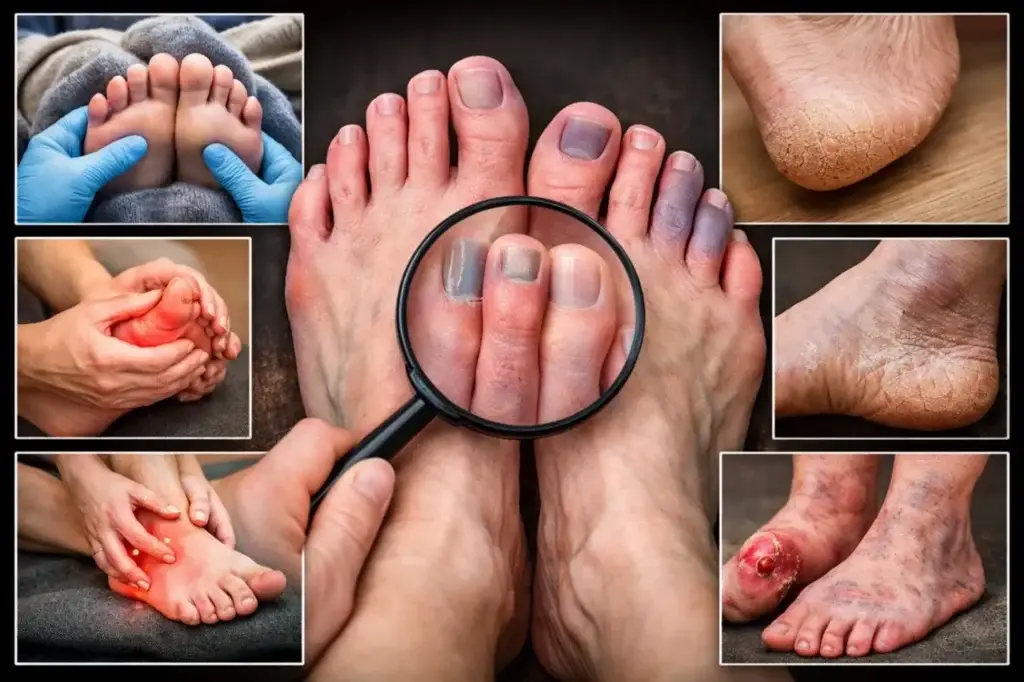
Poor circulation can cause visible color changes in the feet, including: – Pale or ashen skin – Bluish or purplish tones – Redness when feet are lowered after elevation
These changes reflect how blood is (or isn’t) reaching the skin.
4. Slow-Healing Cuts, Blisters, or Sores
When circulation is impaired, the body struggles to deliver nutrients and immune cells needed for healing. Wounds on the feet that heal slowly—or not at all—are a significant red flag, particularly for people with diabetes.
5. Shiny, Thin, or Dry Skin
Reduced blood flow can affect skin health, leading to skin that appears shiny, thin, tight, or unusually dry. Hair loss on the feet or toes may also occur.
6. Swelling in Feet or Ankles
Fluid buildup (edema) in the lower extremities can be associated with circulation problems, especially when linked to venous insufficiency or heart-related conditions.
7. Cramping or Pain When Walking
Pain, aching, or cramping in the feet, arches, or calves during walking that improves with rest—known as intermittent claudication—is a classic sign of peripheral artery disease.
8. Weak or Absent Pulses in the Feet
Healthcare providers often check pulses on the top of the foot or near the ankle. Weak or absent pulses can indicate reduced arterial blood flow.
Less Obvious Warning Signs
- Feet that feel unusually heavy or fatigued
- Increased sensitivity to pressure or temperature
- Toenails that grow slowly or become brittle
- Frequent foot infections
While subtle, these symptoms may still point to chronic circulation issues.
Why Poor Circulation in the Feet Matters
Left untreated, poor circulation can increase the risk of: – Chronic pain and mobility limitations – Skin breakdown and ulcers – Infections – Tissue damage or gangrene in severe cases – Amputation, particularly in advanced PAD or diabetes
Early detection and management significantly reduce these risks.
When to Seek Medical Evaluation
You should seek professional evaluation if you notice: – Persistent coldness, numbness, or color changes – Foot wounds that do not heal within a normal timeframe – Pain in the feet or legs during walking – Sudden changes in foot appearance or sensation
Prompt assessment allows for appropriate testing and treatment of the underlying cause.
Supporting Healthy Circulation (Evidence-Based Basics)
While treatment depends on the cause, strategies commonly recommended to support circulation include: – Regular physical activity – Managing blood sugar, blood pressure, and cholesterol – Smoking cessation – Maintaining a healthy weight – Wearing properly fitted footwear
These steps are supported by extensive clinical evidence for improving vascular health.
The Takeaway
Your feet can reveal more about your overall health than you might expect. Persistent coldness, numbness, color changes, pain, or slow-healing wounds are not just foot problems—they are circulation signals.
Listening early and acting promptly can protect not only your feet, but your long-term mobility and health.