

Understanding Fungal Toenail Infections
Understanding Fungal Toenail Infections

- AFCN Foot Care Team
Understanding Fungal Toenail Infections
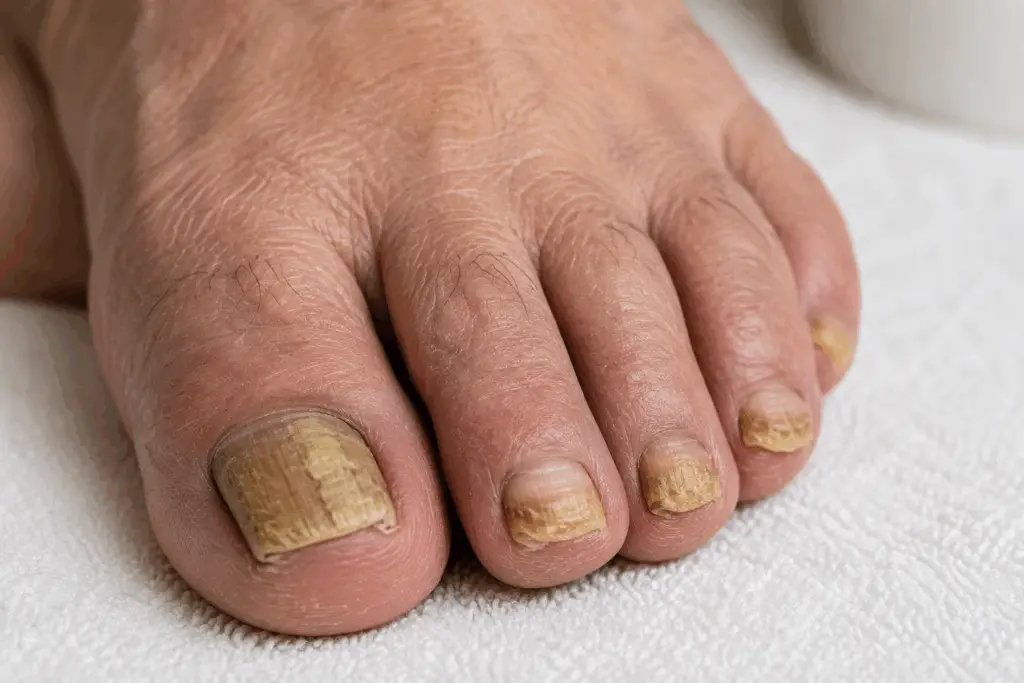
Fungal toenail infections are one of the most common nail conditions affecting adults. They often develop gradually and may begin as a small change in the colour or texture of a toenail before becoming more noticeable over time.
While fungal toenail infections are usually not considered a medical emergency, they can make nails thicker, more brittle, and more difficult to manage. Learning to recognize the signs and understanding the possible causes can help you make informed decisions about your foot health.
What Are Fungal Toenail Infections?
A fungal toenail infection, also known as onychomycosis, occurs when fungi grow in or under the toenail. These microorganisms thrive in warm, moist environments and can gradually affect the nail’s appearance and structure.
The infection may involve one toenail or several nails and often develops slowly over months or even years.
Common Signs of Fungal Toenail Infections
The appearance of a fungal toenail infection can vary from person to person.
Common signs include:
- Thickened toenails
- Yellow, white, or brown discoloration
- Brittle or crumbly nails
- Nails that split or crack
- Rough or uneven nail surfaces
- Distorted nail shape
- Debris collecting beneath the nail
- Nails becoming difficult to trim
Some people experience little or no discomfort, while others may notice pressure or pain when wearing shoes.
What Causes Fungal Toenail Infections?
Fungi naturally exist in many environments. Certain conditions make it easier for them to grow around or beneath the nail.
Common contributing factors include:
Warm, Moist Environments
Fungi grow best in warm, damp conditions.
Examples include:
- Public swimming pools
- Locker rooms
- Public showers
- Sweaty footwear
- Damp socks
Nail Injuries
Even minor trauma may create small openings where fungi can enter beneath the nail.
Repeated pressure from tight shoes or sports activities may also increase the risk.
Ageing
As people age, nails often grow more slowly and become thicker. Reduced circulation and decades of repeated nail trauma may also increase susceptibility to fungal infections.
Certain Medical Conditions
Some health conditions may increase the likelihood of developing fungal toenail infections.
These include:
- Diabetes
- Reduced circulation
- Weakened immune systems
- Certain chronic skin conditions
Having these conditions does not mean a fungal infection will occur, but extra attention to foot health may be beneficial.
Who Is More Likely to Develop Fungal Toenail Infections?
Several factors may increase the likelihood of developing fungal nail infections.
| Risk Factor | Why It May Increase Risk |
|---|---|
| Older age | Nails grow more slowly and may become thicker |
| Diabetes | Changes in circulation and sensation |
| Sweaty feet | Creates a moist environment for fungal growth |
| Public pool or locker room use | Increased exposure to fungi |
| Previous nail injury | Damage may allow fungi to enter |
| Poorly fitting footwear | Repeated nail pressure and trauma |
Can Fungal Toenail Infections Spread?
Fungal organisms may spread from one nail to another or to nearby skin if favourable conditions exist.
Sharing personal items such as:
- Nail clippers
- Foot files
- Socks
- Shoes
- Towels
may increase the chance of spreading fungal organisms.
Good hygiene and keeping personal foot care items separate can help reduce this risk.
Practical Foot Care Tips
Although fungal infections cannot always be prevented, healthy foot care habits may help reduce risk.
Keep Feet Clean and Dry
Wash your feet daily and dry them carefully, especially between the toes.
Wear Breathable Footwear
Choose shoes that allow air circulation and avoid wearing damp footwear for extended periods.
Change Socks Daily
If your feet perspire heavily, changing socks during the day may help keep your feet drier.
Wear Sandals in Public Wet Areas
Protective footwear can reduce direct contact with shared wet surfaces such as:
- Public pools
- Locker rooms
- Community showers
Avoid Sharing Personal Foot Care Items
Keep nail clippers, files, towels, and footwear for your own personal use.
Common Misconceptions About Fungal Toenail Infections
“Only older adults get fungal nail infections.”
Although they are more common with age, fungal toenail infections can occur in adults of many ages.
“A thick nail always means fungus.”
No. Thick toenails may also result from injury, ageing, repeated pressure, or certain skin conditions.
“The infection will disappear on its own.”
Some fungal nail infections may persist or gradually worsen without appropriate assessment or management.
When Should You Seek Professional Assessment?
Consider seeking professional assessment if you notice:
- Thickening that continues to worsen
- Pain when wearing shoes
- Nail separation
- Signs of infection
- Difficulty trimming your nails
- Diabetes-related nail changes
- Changes affecting multiple nails
A qualified healthcare professional can help determine whether another nail condition may be contributing to the changes.
Professional Foot Care Support
Professional foot care nurses provide non-invasive nail care and education to help individuals maintain healthy feet.
Services may include:
- Safe nail trimming
- Thick nail management
- Skin assessment
- Foot health education
- Monitoring nail changes
Depending on your needs, care may be available through:
- Clinic Foot Care
- Home Foot Care
- Mobile Foot Care
- Facility Foot Care
Key Takeaways
- Fungal toenail infections are a common cause of thick, discoloured, and brittle nails.
- Warm, moist environments and nail injuries may increase the risk.
- Good foot hygiene and properly fitting footwear can support healthy nails.
- Not every thick toenail is caused by a fungal infection.
- Persistent nail changes should be assessed by a qualified healthcare professional.
Closing Thoughts
Fungal toenail infections are common and often develop gradually. Understanding the possible causes, recognizing early signs, and maintaining good foot care habits can help support healthy nails over time.
This article is intended for educational purposes only and does not replace assessment by a qualified healthcare professional. If you have persistent nail changes, pain, or concerns about your foot health, seek appropriate professional advice.
FAQs
What are fungal toenail infections?
Fungal toenail infections occur when fungi grow in or beneath the toenail, causing changes such as thickening, discolouration, and brittleness.
Can fungal toenail infections spread to other nails?
Yes. Fungal organisms may spread to nearby nails or skin, particularly in warm, moist environments or when personal foot care items are shared.
Are thick toenails always caused by fungus?
No. Thick toenails may also result from ageing, repeated trauma, certain skin conditions, or other nail disorders.
When should I seek professional foot care?
Seek professional assessment if your toenails become painful, difficult to trim, show signs of infection, or if you have diabetes or circulation concerns.
https://advanced-foot-care-nurse-and-wellness-centre.cliniko.com/bookings#location
AFCN Foot Care Team
At our company, our primary focus is on delivering professional footcare and wellness treatments of the highest caliber, all infused with a compassionate touch. Our utmost aim is to surpass your expectations in every way possible.