
The One Stop Foot Care Shop: Anti‑Fungal Shoe and Linen Treatment Sprays Explained
The One Stop Foot Care Shop: Anti‑Fungal Shoe and Linen Treatment Sprays Explained

- AFCN Foot Care Team
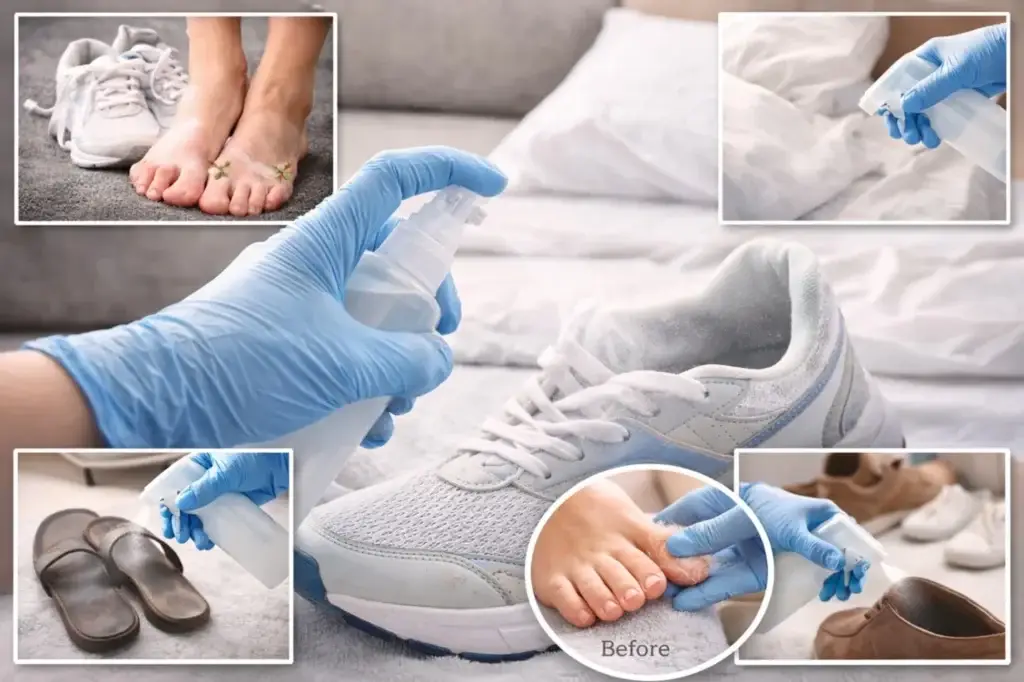
Foot health doesn’t stop at skin and nails. Shoes, socks, and household linens play a major role in the spread and recurrence of fungal infections. Even with proper treatment, fungi can survive in footwear and fabrics—leading to reinfection and prolonged symptoms.
Anti‑fungal shoe and linen treatment sprays are an evidence‑based tool used in comprehensive foot care programs. This article explains how they work, who benefits most, and why they are an essential part of a “one stop” foot care approach.
Why Shoes and Linens Matter in Foot Health
Fungal organisms such as dermatophytes thrive in warm, dark, and moist environments. Shoes, socks, towels, bedding, and bath mats can harbor fungal spores long after visible symptoms improve.
Clinical research shows that untreated footwear and textiles are a common source of reinfection, particularly in cases of athlete’s foot and fungal toenails.
What Are Anti‑Fungal Shoe and Linen Treatment Sprays?
Anti‑fungal sprays are specially formulated solutions designed to eliminate or inhibit fungal growth on:
- Shoes and insoles
- Socks and stockings
- Towels and washcloths
- Bed linens
- Bath mats and slippers
Unlike standard disinfectants, these sprays are formulated to target fungi while being safe for regular use on fabrics and footwear.
How Anti‑Fungal Sprays Work
Evidence‑based anti‑fungal sprays work by:
- Disrupting fungal cell membranes
- Reducing fungal spore survival
- Creating an environment that inhibits regrowth
When used consistently, they significantly lower fungal load on personal items that come into frequent contact with the feet.
When Anti‑Fungal Shoe and Linen Sprays Are Especially Important
These sprays are strongly recommended for individuals who:
- Have active athlete’s foot or fungal toenails
- Are undergoing antifungal treatment
- Experience frequent fungal reinfections
- Sweat heavily or wear closed footwear for long periods
- Use communal showers, gyms, or locker rooms
- Share household laundry facilities
Without environmental treatment, topical or professional care alone may be less effective.
Benefits of Including Sprays in a Foot Care Routine
Using anti‑fungal shoe and linen sprays offers several proven benefits:
- Reduces reinfection risk
- Enhances effectiveness of medical treatments
- Improves long‑term treatment outcomes
- Supports household hygiene
- Safe and easy to apply
This makes them a key component of a comprehensive foot care plan.
How Advanced Foot Care Nurses Use Anti‑Fungal Sprays
In a one stop foot care setting, advanced foot care nurses often:
- Educate clients on proper spray use
- Recommend evidence‑based products
- Integrate sprays into fungal treatment plans
- Provide guidance on laundering and shoe rotation
This holistic approach addresses both the infection and its environment.
Best Practices for Using Anti‑Fungal Shoe and Linen Sprays
For optimal results:
- Spray shoes after each wear and allow them to dry fully
- Treat socks, towels, and linens before or after laundering as directed
- Rotate footwear to allow drying between uses
- Combine sprays with proper foot hygiene
Consistency is key to preventing recurrence.
Safety and Evidence Considerations
When used as directed, medical‑grade anti‑fungal sprays are considered safe for routine use. They should complement—not replace—professional diagnosis and treatment of fungal infections.
Individuals with sensitivities or respiratory conditions should follow product guidelines carefully.
The Takeaway
Anti‑fungal shoe and linen treatment sprays complete the foot care picture. By addressing the environments where fungi live and spread, they help protect treatment progress and reduce recurrence.
As part of a one stop foot care approach, these sprays support healthier feet, cleaner footwear, and better long‑term outcomes.