

How to Prevent Recurring Toenail Fungus
How to Prevent Recurring Toenail Fungus

- AFCN Foot Care Team
How to Prevent Recurring Toenail Fungus
Treating a fungal toenail infection is only part of the journey. Even after a nail begins to improve, fungal organisms can remain in the environment or be reintroduced through footwear, damp conditions, or everyday habits. For this reason, preventing recurrence is an important part of long-term foot health.
Learning how to prevent recurring toenail fungus involves a combination of good hygiene, healthy footwear choices, proper nail care, and reducing exposure to environments where fungi thrive. While no method can guarantee that a fungal infection will never return, these practical habits may help reduce the risk.
Why Can Toenail Fungus Come Back?
Fungal organisms naturally exist in many environments and often thrive in warm, dark, and moist conditions.
Even after treatment, recurrence may occur if fungi remain in:
- Shoes
- Socks
- Nail care tools
- Damp household surfaces
- Public wet areas
The nail also grows slowly. A healthy toenail can take many months to fully replace itself, making ongoing foot care important throughout the recovery process.
Understanding How to Prevent Recurring Toenail Fungus
Preventing future infections focuses on reducing moisture, protecting the skin and nails, and maintaining healthy foot care habits.
Small daily routines can make a meaningful difference over time.
1. Keep Your Feet Clean and Dry
Clean feet provide a healthier environment for your skin and nails.
Each day:
- Wash your feet with soap and water.
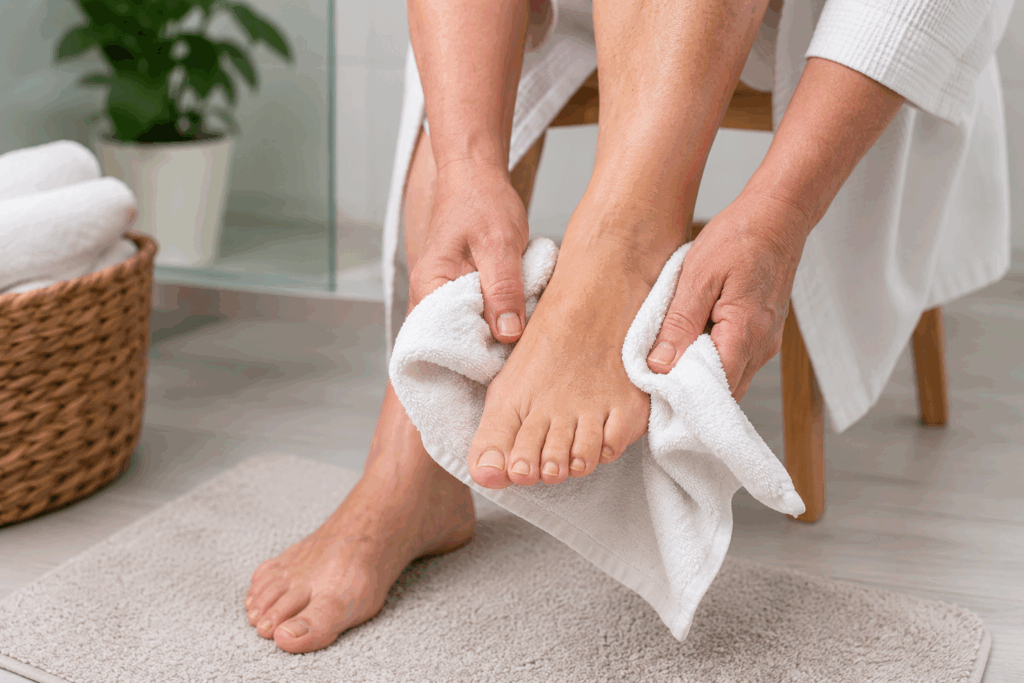
- Dry them thoroughly.
- Pay special attention between the toes.
- Change into clean socks if your feet become damp.
Moisture left on the skin may create conditions that allow fungi to grow.
2. Choose Breathable Footwear
Your shoes play an important role in foot health.
Whenever possible, choose footwear that:
- Fits properly
- Allows air circulation
- Keeps feet comfortable
- Reduces excessive sweating
If shoes become wet, allow them to dry completely before wearing them again.
Alternating between two pairs of shoes can also give each pair time to dry thoroughly.
3. Wear Clean Socks Every Day
Fresh socks help reduce moisture and improve comfort.
Moisture-wicking socks may be particularly helpful for people who:
- Exercise regularly
- Work on their feet
- Experience excessive sweating
- Spend long periods wearing closed footwear
If your feet perspire heavily, changing socks during the day may also help.
4. Protect Your Feet in Public Wet Areas
Locker rooms, pools, community showers, and change rooms are common places where fungal organisms may be present.
Consider wearing:
- Shower sandals
- Flip-flops
- Water shoes
Avoid walking barefoot on shared wet surfaces whenever possible.
5. Keep Toenails Properly Trimmed
Healthy nail care supports overall foot health.
General nail care recommendations include:
- Trim nails straight across when appropriate.
- Avoid cutting nails too short.
- Use clean nail care instruments.
- Avoid tearing or picking at the nails.
If your nails become thick, painful, or difficult to trim, professional foot care may be appropriate.
6. Do Not Share Personal Foot Care Items
Avoid sharing:
- Nail clippers
- Nail files
- Foot files
- Socks
- Shoes
- Towels
Keeping personal items separate may help reduce the spread of fungal organisms.
7. Inspect Your Feet Regularly
Regular foot checks help you notice changes early.
Watch for:
- Nail thickening
- Colour changes
- Crumbling edges
- White or yellow spots
- Skin irritation
- Peeling between the toes
Early recognition allows you to seek professional guidance if concerns develop.
People Who May Need Extra Foot Care
Some individuals have a greater risk of recurring fungal nail infections.
These include people with:
| Risk Factor | Why It Matters |
|---|---|
| Diabetes | Foot health requires careful monitoring |
| Reduced circulation | Healing and nail growth may be affected |
| Older age | Nails often grow more slowly |
| Frequent public pool use | Increased exposure to damp environments |
| Heavy sweating | Moisture supports fungal growth |
If you have diabetes or circulation concerns, regular foot assessments may be particularly important.
Common Misconceptions About Toenail Fungus
“The infection is gone once the nail looks better.”
Healthy-looking nail growth does not always mean the fungal organisms have been completely eliminated. Continue following the advice provided by your healthcare professional.
“I only need to treat the nail.”
Shoes, socks, and the surrounding skin also play an important role in reducing recurrence.
“Toenail fungus always comes back.”
Although recurrence is possible, healthy foot care habits may help lower the risk.
When Should You Seek Professional Assessment?
Arrange an assessment if you notice:
- Thickening that continues to worsen
- Increasing nail pain
- Drainage or signs of infection
- Nail separation
- Changes affecting several nails
- Concerns related to diabetes or circulation
A qualified healthcare professional can determine whether another condition may be contributing to your nail changes and recommend appropriate care.
Professional Foot Care Support
Professional foot care nurses provide non-invasive care to help maintain healthy feet and nails.
Services may include:
- Safe nail trimming
- Thick nail management
- Foot health education
- Skin assessment
- Monitoring nail changes over time
Depending on your needs, services may be available through:
- Clinic Foot Care
- Home Foot Care
- Mobile Foot Care
- Facility Foot Care
Professional foot care may be particularly helpful for older adults, people with diabetes, and individuals who find nail care difficult to manage safely at home.
Key Takeaways
- Good foot hygiene can help reduce the risk of recurring toenail fungus.
- Keeping feet clean and dry supports healthy skin and nails.
- Breathable footwear and clean socks help reduce moisture.
- Avoid sharing personal foot care items.
- Regular foot checks can help identify changes early.
- Professional foot care may be beneficial for thick nails, diabetes, or ongoing nail concerns.
Closing Thoughts
Preventing recurring toenail fungus is often about maintaining consistent foot care habits rather than relying on a single solution. Caring for your feet, keeping your nails healthy, and paying attention to changes can help support long-term foot health.
This article is intended for educational purposes only and does not replace assessment by a qualified healthcare professional. If you have persistent nail changes, pain, infection concerns, or recurring fungal nail infections, seek appropriate professional advice.
FAQs
Can toenail fungus come back after treatment?
Yes. Fungal toenail infections can recur, particularly if fungi remain in shoes, socks, or damp environments.
How can I help prevent recurring toenail fungus?
Keeping your feet clean and dry, wearing breathable footwear, changing socks regularly, and avoiding barefoot walking in public wet areas may help reduce the risk.
Should I replace my shoes after a fungal toenail infection?
Depending on the condition of the footwear, cleaning, drying, or replacing shoes may be worth discussing with a healthcare professional to help reduce the chance of recurrence.
When should I seek professional foot care?
Seek professional assessment if you have painful, thickened, or recurring nail changes, or if you have diabetes, poor circulation, or difficulty managing nail care safely.
https://advanced-foot-care-nurse-and-wellness-centre.cliniko.com/bookings#location
AFCN Foot Care Team
At our company, our primary focus is on delivering professional footcare and wellness treatments of the highest caliber, all infused with a compassionate touch. Our utmost aim is to surpass your expectations in every way possible.