
Custom Orthotics Windsor Ontario
Custom Orthotics Windsor Ontario

- AFCN Foot Care Team
Foot discomfort, balance concerns, and changes in walking patterns can affect daily comfort and mobility. For many individuals, supportive devices such as custom orthotics are part of managing these challenges.
Understanding how these devices work and when they may be appropriate is an important step in making informed foot health decisions.
Custom Orthotics Windsor Ontario is a topic often explored by individuals seeking better support for their feet, especially when over-the-counter options do not meet their needs. This article explains what custom orthotics are, how they differ from other supports, and what to consider when exploring this type of care.
Understanding Custom Orthotics Windsor Ontario
Custom orthotics are medical-grade devices designed to fit inside footwear. They are created based on the unique shape, pressure distribution, and movement patterns of an individual’s feet.
When discussing Custom Orthotics Windsor Ontario, it is helpful to understand a few key concepts:
What Are Custom Orthotics?
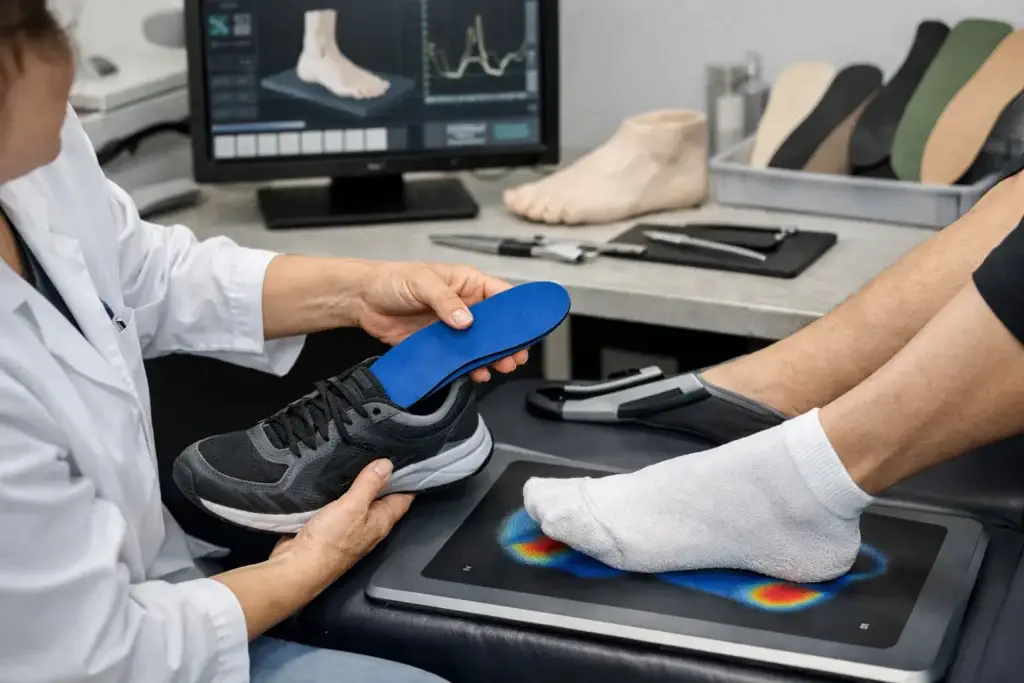
- 3D imaging or casting of the feet
- Gait (walking) analysis
- Evaluation of pressure points and alignment
How They Differ from Over-the-Counter Insoles
Feature
Fit
Assessment
Support level
Longevity
Custom Orthotics
Individually tailored
Based on clinical evaluation
Condition-specific
Typically longer-lasting
Store-Bought Insoles
Standard sizing
None
General cushioning
May wear out quickly
While store-bought insoles may provide comfort for some people, they may not address specific biomechanical concerns.
Practical Considerations for Foot Support
When exploring Custom Orthotics Windsor Ontario, several practical factors are important to consider.
Common Concerns or Symptoms
People may look into orthotics for a variety of reasons, including:
- Foot fatigue or discomfort during walking
- Calluses, corns, or pressure areas
- Changes in balance or gait
- Discomfort affecting knees, hips, or lower back
These concerns can have multiple causes. A proper assessment helps determine whether orthotics are appropriate.
General Support and Prevention Considerations
Supportive footwear and orthotics may help:
- Redistribute pressure across the foot
- Improve alignment during walking
- Reduce friction that contributes to skin concerns
- Enhance overall comfort in daily activities
It is important to note that not all individuals require custom orthotics. Some may benefit from simpler support options depending on their needs.
When Professional Foot Care May Help
If there are concerns such as:
- Persistent pain
- Skin breakdown or wounds
- Signs of infection
- Circulation concerns
these should be assessed by a qualified healthcare professional. Educational information, including this article, does not replace individualized assessment.
Service Context: Custom Orthotics Windsor Ontario
In a clinical setting, Custom Orthotics Windsor Ontario typically involves a collaborative and structured process.
Assessment and Imaging
Modern orthotic services may include advanced tools such as:
- 3D casting or imaging technology
- Gait analysis to observe walking patterns
- Identification of pressure points and areas of concern
This approach allows for a more precise understanding of foot mechanics.
Interdisciplinary Collaboration
In some settings, orthotic care may involve multiple professionals, such as:
- A chiropractor or other regulated healthcare provider
- Foot care nurses who regularly assess skin and pressure concerns
- Orthotic specialists involved in design and fabrication
This collaborative approach helps ensure the orthotic aligns with the individual’s needs.
Fitting and Follow-Up
Once created, orthotics are:
- Properly fitted to the individual’s footwear
- Adjusted if needed for comfort and function
- Monitored over time for effectiveness
Learn more about the process: https://www.advancedfootnurse.com/custom-orthotics/
Alternatives and Budget Considerations
While Custom Orthotics Windsor Ontario represents a higher level of customization, cost can be a factor for some individuals.
When Alternatives May Be Considered
Not everyone requires a fully custom device. Depending on the situation:
- Mild support needs may be addressed with prefabricated insoles
- Offloading devices may help reduce pressure in targeted areas
- Footwear modifications may also provide benefit
Some newer products are designed to offer structured support at a lower cost, making them an option for individuals seeking balance between function and affordability.
Matching the Device to the Individual
Lower limb conditions can vary widely:
- Mild: minor discomfort or fatigue
- Moderate: recurring pressure points or alignment concerns
- More complex: structural or biomechanical differences
The most appropriate support depends on factors such as lifestyle, footwear, and overall health.
Common Misconceptions
There are several misconceptions surrounding Custom Orthotics Windsor Ontario.
“Everyone Needs Custom Orthotics”
Not all individuals require custom devices. Some may benefit from simpler solutions based on their condition.
“Orthotics Fix Everything”
Orthotics are a supportive tool, not a cure. They are one part of a broader approach to foot health.
“All Orthotics Are the Same”
The quality, design, and assessment process can vary. A thorough evaluation helps determine suitability.
Professional Guidance and Foot Care Insight
Foot care providers often observe patterns that are not always visible to individuals themselves. For example:
- Repeated pressure in certain areas of the foot
- Skin changes such as calluses or corns
- Subtle changes in walking patterns over time
These observations can inform whether Custom Orthotics Windsor Ontario may be beneficial.
In clinical and home care settings, foot care professionals may also consider:
- Footwear choices and fit
- Daily activity levels
- Balance and mobility concerns
For individuals with limited mobility, services such as mobile foot care visits or home foot care services may help support ongoing monitoring and comfort.
Facility-based care may also be appropriate for those in group living environments, such as through facility foot care programs.
Educational resources like foot care education guides and information on common foot concerns can also support informed decision-making.
Key Takeaways
- Custom orthotics are designed based on individual foot structure and movement
- Not everyone requires custom orthotics; needs vary by condition
- Assessment may include 3D imaging and gait analysis
- Alternatives may be appropriate for mild or budget-related situations
- Foot care professionals can help identify pressure areas and support needs
Closing Statement
Understanding foot support options can help individuals make informed decisions about their comfort and mobility. While general information can provide helpful guidance, individual needs can vary. If you have ongoing concerns about your feet, seeking assessment from a qualified healthcare professional is an important step.