
How to Become a Foot Care Nurse in Canada (Step-by-Step Guide)
How to Become a Foot Care Nurse in Canada (Step-by-Step Guide)

- AFCN Foot Care Team
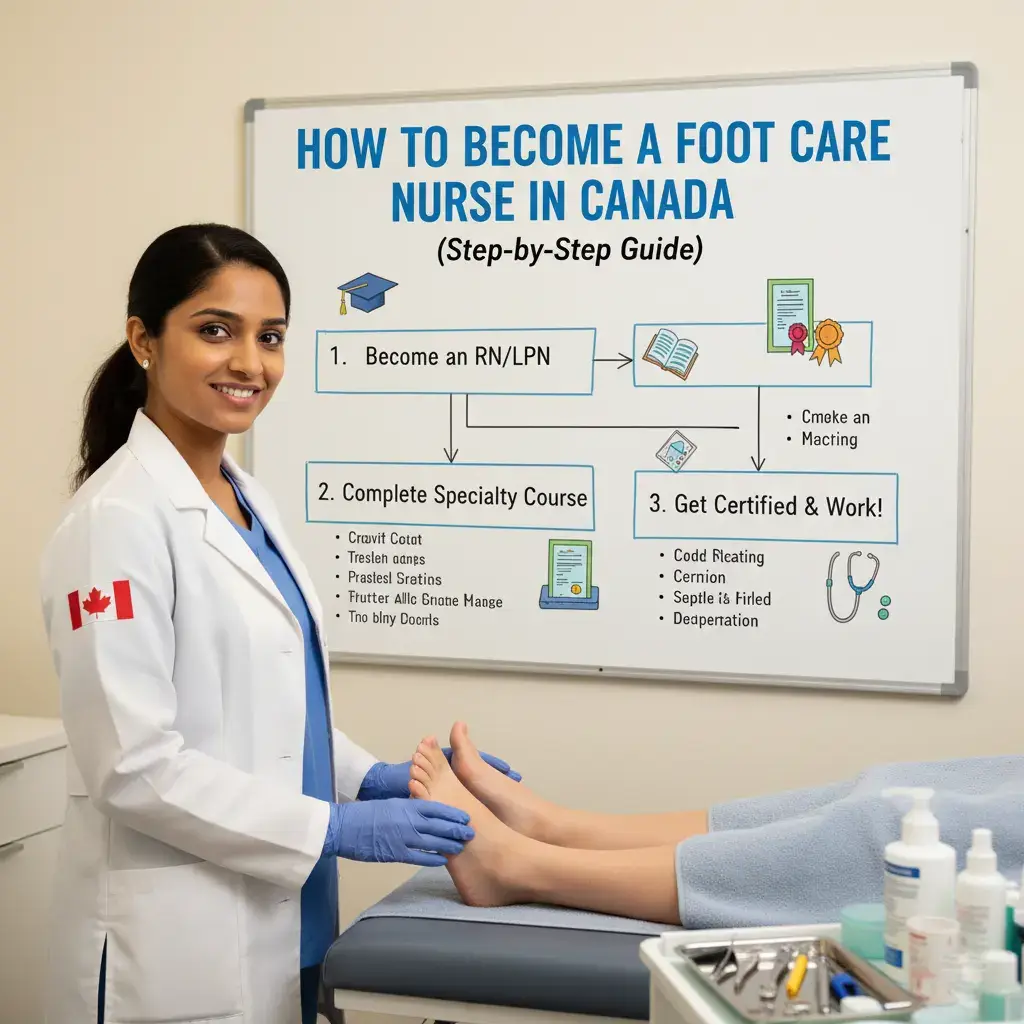
Foot care nursing is one of the most practical, in-demand, and rewarding directions a nurse can take—especially if you want a blend of clinical skill, patient relationships, autonomy, and the option to build a flexible career (including private practice). In Canada, foot care nurses support clients across the lifespan, but the biggest need is often among older adults, people living with diabetes, individuals with mobility limitations, and anyone experiencing chronic foot pain, nail disorders, circulation concerns, or skin integrity issues.
This guide breaks down what foot care nursing is, what you’re allowed to do (and what you’re not), the education and training pathway, the clinical skills you’ll need, and how to set yourself up for success—whether you plan to work for an employer or build a foot care nursing business.
What Is a Foot Care Nurse?
A foot care nurse is a regulated nurse who provides nursing foot care services focused on assessment, prevention, maintenance, education, and early identification of risk. Depending on your province, workplace, and competence, foot care nursing may include:
- Health history and foot assessment
- Nail and skin care (including thickened nails, callus management, corns, fissures)
- Diabetic foot screening and risk reduction education
- Circulation and neuropathy checks (basic screening within nursing scope)
- Offloading education and footwear guidance
- Wound prevention and escalation/referral when needed
- Infection control, documentation, and care planning
Foot care nursing sits at the intersection of nursing assessment + hands-on technical skill + patient education. What makes it powerful is that it’s preventative—meaning your work can reduce falls, prevent wounds, reduce hospital visits, and protect quality of life.
Step 1: Become a Nurse in Canada (RPN/LPN or RN)
To become a foot care nurse, you first need to be a licensed nurse in Canada. The most common entry routes:
Practical Nurse (RPN in Ontario / LPN in many provinces)
- Typically a 2-year diploma program.
- Strong fit for foot care nursing and often the most common pathway.
Registered Nurse (RN)
- Typically a 4-year degree.
- Also eligible, and may choose foot care for flexibility, entrepreneurship, or community practice.
Key point: Foot care nursing is not a separate regulated profession across Canada at this time, but its in the works— for now it is a practice area within nursing. That means your “license” is your nursing registration, and your foot care education supports competence in this specialty.
Step 2: Stay in Good Standing With Your Nursing Regulator
Your provincial/territorial nursing regulator sets the rules for your practice. This matters because foot care often involves skin and nail procedures that require:
- Clear competence/training
- Appropriate infection prevention and control (IPAC) standards
- Documentation and patient consent
- Understanding what is within nursing scope vs. what requires referral
You’ll want to maintain:
- Active registration in good standing
- Professional liability protection (Continuing competence requirements (varies by province)
If you plan to work independently (mobile foot care, clinic-based, or your own practice), you’ll also need to understand your regulator’s expectations for independent practice, delegation, medical directives (if applicable), and boundaries.
Step 3: Complete a Foot Care Nurse Education Program
This is the most important step after becoming a nurse.
A strong foot care program should include:
- Anatomy and physiology of the lower limb
- Dermatology and nail disorders
- Infection prevention and control (including reprocessing standards)
- Diabetic foot care, neuropathy, PAD basics, risk screening
- Safe use of instruments (including reduction techniques)
- Contraindications and red flags
- Documentation, consent, and professional practice standards
- Supervised clinical practice (hands-on)
What to look for in a program
Not all training is equal. Choose a program that:
- Is taught by qualified nurse instructors
- Has in-person clinical hours
- Emphasizes safety, contraindications, and decision-making—not just technique
- Covers business and documentation if you want private practice
Reality check: Foot care looks simple until it isn’t. Clients often have complex health histories—diabetes, anticoagulants, neuropathy, impaired circulation, fungal infections, autoimmune conditions, and mobility barriers. Training should prepare you to think clinically, not just “do a service.”
Step 4: Build Competence in Core Foot Care Skills
Training gives you the foundation. Competence comes from repetition, supervision, and strong clinical judgment.
Core technical skills often include:
- Nail trimming and filing, including thickened nails (onychogryphosis/onychauxis)
- Callus reduction (within scope and competency)
- Corn care (when appropriate and trained)
- Management of fissures and dry skin
- Basic screening: sensation checks, circulation indicators, skin integrity, footwear risk
- Education: daily foot checks, moisture control, sock and shoe guidance, fall prevention basics
The “invisible” skills that matter just as much:
- Infection control and sterile/aseptic technique as required
- Instrument handling and safety
- Pain-aware care and positioning for mobility limitations
- Recognizing red flags and referring appropriately
- Documentation that protects the client and you
The best foot care nurses are calm, precise, and consistent. You’ll build trust quickly because patients can feel when you’re competent.
Step 5: Understand Scope, Boundaries, and Referrals
This is where many new foot care nurses get nervous—and it’s the right instinct.
Foot care nurses do not replace:
- Podiatrists / chiropodists (regulated foot specialists)
- Physicians / nurse practitioners for diagnosis and medical management
- Wound care specialists for advanced or deteriorating wounds
Your job is to:
- Provide safe nursing foot care
- Prevent problems
- Identify risk early
- Escalate appropriately
Common referral triggers (examples)
- Signs of infection (increasing redness, swelling, heat, discharge, odor, systemic symptoms)
- New wounds, especially in diabetes or poor circulation
- Severe pain, sudden color change, cold foot, or suspected ischemia
- Suspected osteomyelitis or deep tissue involvement
- Ingrown nails with significant infection or recurrent complications
- Unexplained bruising, petechiae, or skin breakdown
- Any presentation outside your competence/training
Foot care nursing is safe and sustainable when you stay inside scope and use a strong referral network.
Step 6: Decide Your Career Path: Employee Role vs. Independent Practice
Foot care nursing is safe and sustainable when you Foot care nurses in Canada work in many settings:
- Retirement homes and long-term care
- Home care/community care agencies
- Primary care clinics
- Specialty foot clinics
- Diabetes education programs
- Independent mobile practice
- Private clinics (your own or contracted)
Employee route
Pros:
- Steadier caseload and structure
- Less administrative burden
- Often easier for a new grad in the specialty
Cons:
- Less control over schedule, pricing, and protocols
- Limits on equipment and time per client
Independent route (mobile or clinic-based)
Pros:
- High autonomy and flexible schedule
- Ability to specialize and build a personal brand
- Strong demand in many communities
Cons:
- You become responsible for everything: supplies, policies, documentation, marketing, taxes, reprocessing standards, and risk management
If you’re entrepreneurial, foot care can become a long-term asset. But start with strong clinical foundations first—confidence comes from competence.
Step 7: Set Up the Right Equipment and Safety Systems
Foot care is hands-on and tool-dependent, and safety is non-negotiable.
At minimum, you’ll need:
- Appropriate instruments and single-use items
- PPE and infection control supplies
- Proper lighting and positioning supports
- Safe client setup (especially mobile settings)
- Documentation system (paper or electronic)
- Clear consent process and intake forms
Instrument reprocessing
If you use reusable instruments, you must follow proper cleaning, disinfection/sterilization standards and keep logs. Many nurses choose single-use items for certain components, but you still need an IPAC system.
If you plan to work independently, treat your infection control and reprocessing standards like your foundation—because they are.
Step 8: Get Insured and Practice Like a Professional Business
Even if foot care is “just one service” for you right now, you should operate like a professional from day one.
That includes:
- Professional liability coverage appropriate for your setting
- Clear policies (late cancellations, consent, incident documentation)
- Secure record storage and privacy compliance (PHIPA in Ontario; similar rules in other provinces)
- A referral process and relationships with local providers
- Clear boundaries: what you do, what you don’t do, and what requires medical escalation
If you work independently, you’ll also need:
- A business registration structure (sole prop/corp depending on your situation)
- Bookkeeping and tax setup
- A simple marketing strategy (local SEO, referrals, community partnerships)
Step 9: Keep Learning and Specialize Over Time
If you work independently, you’ll also need:Foot care nursing has layers. Once you’re confident with basics, you can deepen your expertise in areas like:
- Diabetes-focused foot risk management
- Complex nail and skin presentations
- Advanced assessment and documentation
- Wound prevention pathways and collaboration
- Teaching/mentorship (if you love education)
The nurses who thrive long-term keep learning, keep refining, and stay humble about risk.
Frequently Asked Questions
How long does it take to become a foot care nurse in Canada?
Foot care education programs vary—some are a few days of dedicated theory learning or taking it slow paced at months part-time plus clinical training. The real answer: you can start offering foot care once you’re competent through training and supervised practice and have received your certificate of completion.
Can I start a foot care business right away?
You can, but it’s smarter to build competence and systems first. If you’re brand new to foot care, consider starting with supervised clinical hours, mentorship, and a slower launch so your skills and confidence are solid.
Is foot care nursing in demand?
In many Canadian communities, yes—especially with an aging population and increasing diabetes rates. Demand is also stronger for nurses who are reliable, professional, and trained to work safely with complex clients.
A Practical Checklist: Your Path to Becoming a Foot Care Nurse
- Become an RPN/LPN or RN
- Register and stay in good standing with your provincial regulator
- Complete a reputable foot care nurse education program (with hands-on clinical practice)
- Build competence in assessment, technique, IPAC, and documentation
- Know your scope, contraindications, and referral pathways
- Decide your work setting (employment, contractor, mobile, clinic)
- Set up equipment, reprocessing/IPAC, and forms
- Get appropriate insurance and privacy-compliant recordkeeping
- Continue learning and develop your niche over time
Final Thoughts: This Path Rewards the Nurse Who’s Ready to Lead
Foot care nursing is not just “nail cutting.” It’s preventative nursing, clinical judgment, patient education, and trust-building—often with clients who truly need consistent care and advocacy.
If you want a nursing direction that can grow with you—whether you want part-time flexibility, a full caseload, or a clinic/business—foot care nursing is one of the strongest options in Canada. Start with quality training, take safety seriously, and build your confidence through competence. The demand is real, and the work matters.
The AFCN Learning Institute Team